is konjac dangerous Konjac cholesterol
Konjac: A Super Food with Multiple Health Benefits Konjac, also known as elephant yam, is a starchy root vegetable native to Asia. The plant has a long history of use in traditional Chinese medicine and Japanese cuisine. The popularity of konjac is slowly spreading across the world for its numerous health benefits. This superfood is packed with fiber, low in calories, and contains zero fat. Konjac has six potential health benefits that make it a valuable addition to your diet. 1. Helps in weight management: Konjac root contains a unique fiber called glucomannan, which absorbs water and expands in your stomach, making you feel full. This can help people control their appetite and reduce their calorie intake, which in turn helps in managing weight. 2. Reduces cholesterol levels: Konjac is also known to lower LDL (bad) cholesterol and triglycerides. The high fiber content in the root binds with bile acids in the gut, which are then excreted from the body. This results in an increased need for the liver to produce more bile acids, which in turn reduces blood cholesterol levels. 3. Regulates blood sugar: Konjac fibre can help to slow digestion and absorption of glucose, thereby reducing spikes in blood sugar levels. This makes it particularly beneficial for people with diabetes. 4. Promotes bowel regularity: The high fiber content in konjac promotes bowel regularity by adding bulk and water to stool, reducing constipation. Konjac also acts as a prebiotic, helping to feed healthy bacteria in the gut. 5. Helps manage hypertension: The plant is also useful in managing hypertension. Konjac root contains arginine, an amino acid that helps to relax blood vessels and improve blood flow. This can help manage blood pressure levels. 6. Promotes healthy skin: Konjac is also beneficial for the skin. The root contains high levels of vitamins and minerals that nourish and protect the skin. It also has natural astringent properties, which help to tighten and firm the skin, reducing the appearance of wrinkles and fine lines. Konjac is available in various forms, including powder, capsules, and noodles. Konjac noodles, also known as shirataki noodles, are a popular substitute for wheat or rice noodles, making them a great option for people following a gluten-free or low-carb diet. Whether you’re looking to manage your weight or promote good digestive and heart health, konjac is a superfood worth adding to your diet. Incorporating it into your meals is easy, and with the variety of konjac-based products available, there’s something for everyone.
If you are looking for Konjac: 6 potential health benefits you’ve visit to the right web. We have 5 Images about Konjac: 6 potential health benefits like What Is Konjac? Get To Know This Starchy, Fibrous Plant, Konjac: 6 potential health benefits and also Konjac Root/Glucomannan for Weight Control, Blood Lipids & Constipation. Read more:
Konjac: 6 Potential Health Benefits
 www.medicalnewstoday.comkonjac
Konjac: 6 Potential Health Benefits
 www.medicalnewstoday.comkonjac cholesterol
Konjac Root/Glucomannan For Weight Control, Blood Lipids & Constipation
 vitaminretailer.comkonjac root constipation lipids glucomannan amorphophallus
What Is Konjac? Get To Know This Starchy, Fibrous Plant
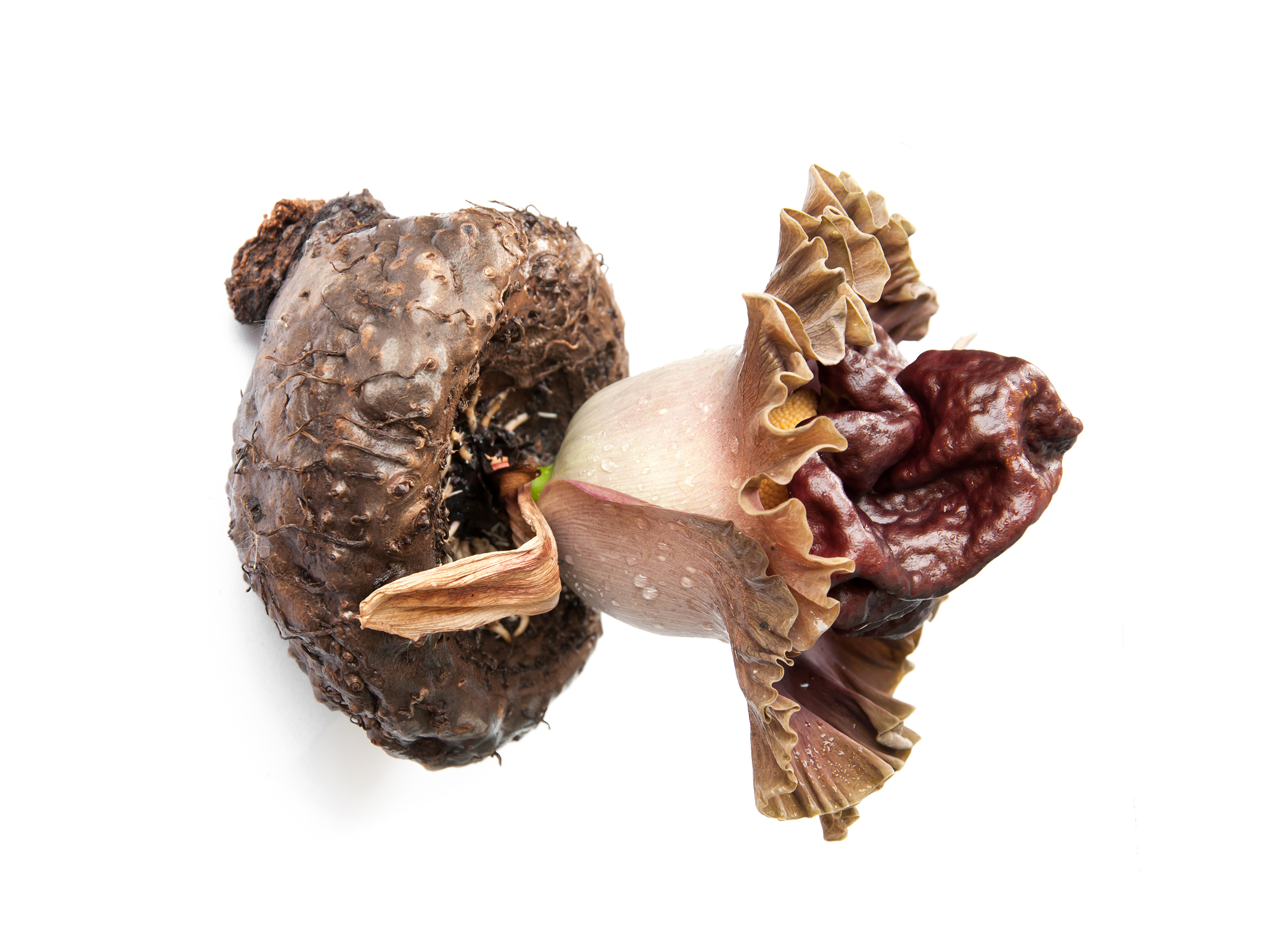 www.foodrepublic.comkonjac plant fibrous know
What Is Konjac Root? Uses, Benefits, And Weight Loss
 fcer.orgkonjac root
Konjac cholesterol. Konjac: 6 potential health benefits. What is konjac? get to know this starchy, fibrous plant