what is the difference between wheat and gluten Gluten-free vs wheat-free: what's the difference?
The world of food allergies and intolerances can be a confusing and overwhelming place. With so many different terms being thrown around, it can be hard to know what they all mean. In this post, we aim to clear up some of the confusion surrounding two commonly misunderstood terms: gluten-free and wheat-free. Firstly, it’s important to understand that gluten is a protein found in wheat, barley and rye. This means that if something is gluten-free, it doesn’t contain any of those three ingredients. However, just because a product is gluten-free, it doesn’t necessarily mean it’s wheat-free. On the other hand, if something is wheat-free, it doesn’t contain wheat, but it may still contain barley or rye, both of which contain gluten. This is where the confusion can come in, as products that are labeled as wheat-free may not be suitable for those who are following a gluten-free diet. So, why would someone need to follow a gluten-free or wheat-free diet? For people with celiac disease, consuming gluten can cause damage to the small intestine, leading to a range of symptoms such as bloating, diarrhea and fatigue. For those with a wheat allergy, consuming wheat can cause more immediate and severe symptoms such as hives, difficulty breathing and anaphylaxis. For those without celiac disease or a wheat allergy, it’s still important to understand the difference between gluten-free and wheat-free. Following a gluten-free diet has become trendy in recent years, but it’s important to note that removing gluten from your diet doesn’t necessarily lead to weight loss or improved health. In fact, many gluten-free products are highly processed and contain a lot of sugar and fat. If you’re looking to remove wheat from your diet, it’s important to do so in a balanced and healthy way. Whole foods such as fruits, vegetables, lean protein and whole grains like quinoa and brown rice can provide all the nutrients you need. So, what should you look out for when shopping for gluten-free or wheat-free products? Firstly, always read the label carefully and look for products that are clearly labeled as gluten-free or wheat-free. It’s also important to look out for hidden sources of gluten or wheat such as hydrolyzed vegetable protein, malt vinegar or soy sauce. In summary, while gluten-free and wheat-free may seem like interchangeable terms, they actually have important differences that are vital for those with celiac disease or a wheat allergy. For those without these conditions, it’s important to approach a gluten-free or wheat-free diet in a balanced and healthy way and always read the label carefully. By doing so, you can make informed choices about the foods you consume and ensure that your diet supports your health and wellbeing.
If you are looking for Gluten-Free vs Wheat-Free: What’s The Difference? you’ve visit to the right page. We have 5 Images about Gluten-Free vs Wheat-Free: What’s The Difference? like Is there any difference between food and feed grade of vital wheat, The Difference Between Wheat and Gluten - Allergy a la Mode and also Gluten-Free vs Wheat-Free: What’s The Difference?. Here you go:
Gluten-Free Vs Wheat-Free: What’s The Difference?
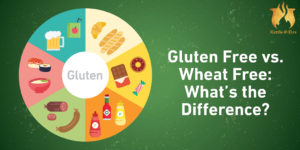 blog.kettleandfire.comallergy kettleandfire
The Difference Between Wheat Free, Gluten Free And Gluten Friendly
 gfoats.com.auThe Difference Between Wheat And Gluten - Allergy A La Mode
 allergyalamode.comIs There Any Difference Between Food And Feed Grade Of Vital Wheat
 chinawheatgluten.comWheat Free Vs Gluten Free (there’s A Difference) | DanetteMay
 danettemay.comgluten wheat difference between danettemay
Gluten-free vs wheat-free: what’s the difference?. The difference between wheat free, gluten free and gluten friendly. Gluten wheat difference between danettemay